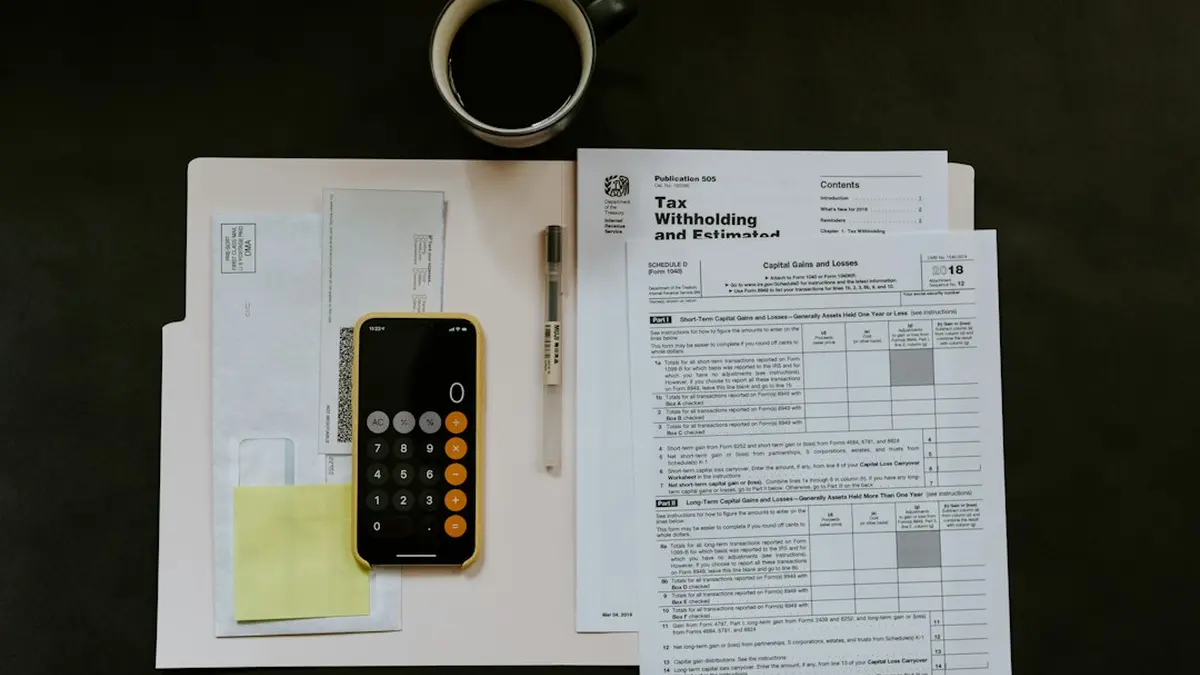
Moving bitcoin from an exchange to a wallet you own is not a taxable event, because you have not sold anything. The one small exception is the network fee, if you pay it in bitcoin.
The IRS answers this directly in FAQ 81 of its digital asset FAQs: a transfer between wallets, addresses or accounts that all belong to you is non-taxable, "except to the extent of any digital assets you use, or are withheld, to pay for transaction services to effect the transfer."
This question stops many people from moving coins off an exchange. The transfer costs almost nothing in tax. What it changes is who keeps the records, and that matters when you eventually sell.
Why a transfer is not a sale, and why the fee can be one
The IRS treats bitcoin as property. You owe tax on property when you dispose of it, which means selling it, swapping it or spending it. When you move bitcoin between your own wallets, it stays in your hands. As TokenTax puts it, "You still own the coins."
Your cost basis and your holding period stay attached to the coins. Cost basis is what you paid for the coins. The holding period is the clock that decides whether a later gain is short-term or long-term, and long-term means held more than a year. Neither one resets because the coins moved.
The fee works differently. When you withdraw, a small amount of bitcoin goes to pay the network. That amount leaves your ownership, so the IRS counts it as a disposal. If bitcoin has risen since you bought those few units, you have a gain on them. Practitioner guides generally say individual investors cannot deduct these fees. One CPA source cited by Zipmex suggests some fees might be added to cost basis instead. The sources do not settle this, so ask your preparer how they treat it.
What a bitcoin-paid fee looks like on paper
Hypothetical: you withdraw coins to a hardware wallet, and the exchange takes a fee paid in bitcoin. The units used for the fee were bought for $4 and are worth $10 on the day of the transfer.
| Value of bitcoin used for the fee | $10 |
|---|---|
| Cost basis of those units | $4 |
| Gain on the fee | $6 |
| Gain on the coins that arrived in your wallet | $0 |
You have a $6 gain to report, not a gain on the whole transfer. The coins that arrived keep their original basis and purchase date.
Three places this rule shows up
The yes/no question on Form 1040. Every filer has to answer the digital asset question. The IRS Digital Assets page says to answer "No" if all you did was move assets between wallets you own or control, "unless you paid a transaction fee with digital assets." Most exchange withdrawals involve a fee paid in bitcoin, so many self-custodians will answer "Yes" even though the transfer itself was tax-free.
A transfer back to an exchange. Brokers send Form 1099-DA, which reports digital asset sales they handle. They reported gross proceeds starting with the 2025 tax year, and the IRS said most 2025 statements would not include basis. From 2026, brokers must report basis for covered coins. Covered means bought on or after January 1, 2026 and held at the same broker continuously until the sale. Coins that come in from your own wallet are noncovered, whenever you bought them. The broker checks Box 9 and leaves the basis boxes blank. This is true even if you send the coins back to the same exchange you bought them from.
The per-wallet basis rule. Before 2025, many people tracked basis in one pool across all their accounts. Rev. Proc. 2024-28 ended that practice. From January 1, 2025, each exchange account, each self-custody wallet and each on-chain address is its own basis pool. Within each pool you can still use specific identification, FIFO and the other permitted methods. When coins move, their basis moves with them, so your records have to follow the coins from wallet to wallet.
The blank-basis 1099-DA
Hypothetical: you bought bitcoin for $20,000 and moved it to a hardware wallet. Years later you send it back to an exchange and sell it for $35,000.
| Proceeds on the 1099-DA | $35,000 |
|---|---|
| Basis on the 1099-DA | Blank (Box 9 checked) |
| Your actual basis, from your records | $20,000 |
| Correct gain, reported on Form 8949 | $15,000 |
You report the correct $20,000 basis on Form 8949 and keep the documents that support it. Without those records, you risk being taxed on the full $35,000.
How the IRS treats a blank basis box is disputed. One writer argues that "a missing basis on a form is not the same as a zero-cost purchase." Several tax software guides warn that a sale without documentation can end up treated as 100% gain. Either way, your own records are what put the correct number on the return.
What the transfer rule does not cover
| Move | Taxable? | Why |
|---|---|---|
| Exchange to your own wallet | No, except the fee if paid in BTC | Same owner, no disposal (IRS FAQ 81) |
| Your wallet to another person | Can be | The coins leave your ownership, as a gift or a payment |
| Selling spot ETF shares to buy coins | It is a sale, not a transfer | The self-transfer rule covers moving coins, not selling one asset to buy another |
The ETF row trips people up. Selling ETF shares in a taxable brokerage account is a sale like any other. Retirement accounts follow their own rules, and none of the sources here covers them. If the shares sit in an IRA, ask your custodian how a sale and a withdrawal would be handled before you move anything.
Before you withdraw: what to keep
The withdrawal itself is covered in our guide to withdrawing to a hardware wallet. For taxes, the job is to make sure the records leave the exchange with the coins. The Taxpayer Advocate Service says to keep digital asset records for at least three years after reporting a taxable event. Because your basis may matter for a sale decades from now, keep yours for as long as you hold the coins.
-
Download your purchase history before withdrawing
Dates, amounts and dollar cost of each lot. The exchange's records will not follow the coins.
-
Record each transfer
Transaction ID, date, sending and receiving addresses, and the amount.
-
Note the fee and its dollar value that day
This is the small disposal you may need to report, and it decides your answer to the Form 1040 question.
-
Keep a ledger for each wallet
Under Rev. Proc. 2024-28, each wallet is its own basis pool.
-
Choose your lots when you sell
Use specific identification, then check the 1099-DA against your ledger and correct the basis on Form 8949.
Comments
No comments yet. Be the first to comment!
Leave a Comment